Ambon Diving: Pombo Island


Ambon is the capital city of Maluku Province (Indonesia) and located on Ambon Island. Maluku has gained its popularity in scuba diving industry after several diving companies shifted its diving destination to this region. The region is still unknown to majority travelers. The problem is the province consisted of tens of islands that spread around a vast sea and it only has limited transports option to travel from island to island.
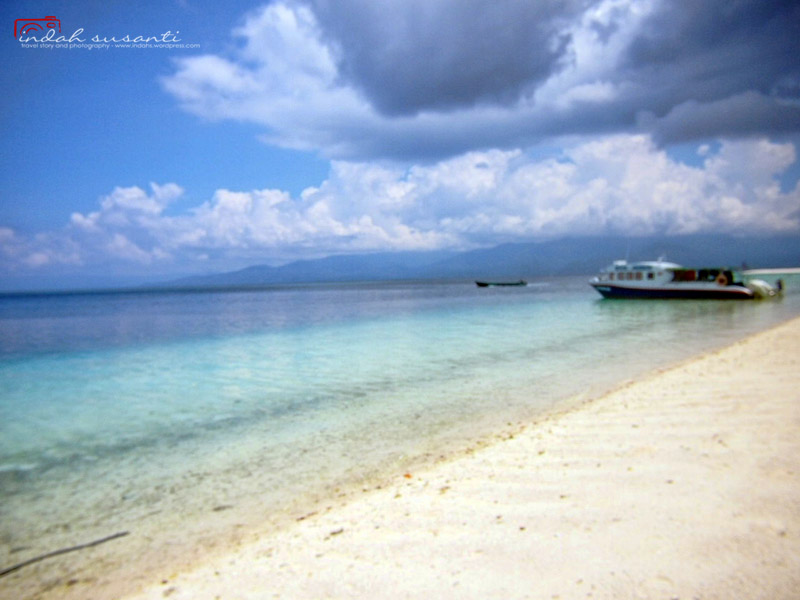
Pombo Island – Maluku
Ferry and small airplanes that go from Ambon to other islands are only available on weekly basis. Their schedule is unreliable due to unpredictable weather condition, and rough sea. Special for the airplane’s schedules, a traveler should be aware of particular demand from the ‘so-called-very-important Indonesians’ who thought themselves more important than people who spent money in their country and most likely they also feel more important than their voters. I read a story about a traveler whose flight from a small island called Banda in Maluku to Ambon being postponed because the seat was given to a VIP person in Indonesia. The traveler had three days delay returning to home country. If I were the traveler being treated like that, I would be furious, and it was certainly not giving a good impression on Indonesia’s tourism.
Then I was angry and sad at the same time when scuba diving around one of Maluku’s uninhabited islands: Pombo Island. The Island is located in between of Ambon Island and Haruku Island. It took us around 45 minutes boat ride from Ambon to the island that has been known for its white beaches. Indonesia Tourism Agency in its website described the island with a very inviting paragraph:
“Pombo Island Marine Recreation Park encompasses an area of 1,000 hectares of nothing more than a stretch of sandy, white beaches and chunks of coral, sheltered by lush, green foliage. Flocks of exotic birds of all shape, size and color perch in the trees’ branches, while rare fishes and mollusks roam freely about the coral-studded ocean floor. The far-out location of the island, coupled with its protected state only enhance the allure of this natural, virgin environment.”

Marine Debris around Pombo Island
The agency forgets to add that there were garbage to be found along the shore of the island and its surrounding sea. The marine debris in Pombo Island was a sorrowful view. The sight made me upset as the marine debris were not only found on the Island’s beaches but also underwater during my scuba diving. My diving jacket pockets were full with garbage that I collected during my diving in Pombo Island!
I have read that very often small uninhabited islands were suffered most of the marine debris compared to the main island where the humans live. There was no doubts that the marine debris came from the bigger islands around Pombo Island. Oh well, enough rants over the marine debris in Pombo Island..
Moving on to the quality of scuba diving around Pombo Island itself: impressive (if only there were no marine debris then I will say it as super amazing and stunning – hah!). The water temperature was cold – it was below 26 degree Celcius (78 degree Fahrenheit). My favorite part was when I found two Emperor shrimps on top of Nudibranch. An image was posted immediately on my Instagram. I had so much fun observing the shrimps and the nudibranch. It looked to me the nudibranch was annoyed by the shrimps.
We did not see big size marine species. However we spotted plenty of small critters – they were just everywhere, healthy corals and colorful fishes. It was good diving experience and I will return soon with posts of other diving spots in Ambon. Stay tuned!
Practical Information on diving in Pombo Island
- The island can be reached easily via Ambon, only 30 to 45 minutes by speed boat
- Be prepared for possible cold water temperature – 24 to 28 degree Celsius (75 to 82 degree Fahrenheit)
- Diving season is March to May, and September to December. Avoid January to February, and June to August.
 indahs: dive, travel & photography
Amazing photos, Indah !!
Thank you so much Leyla 🙂
We are polluting even the aquatic life..:-( when will we learn…!
Great pictures as always, Indah… such bright and vibrant colours…a treat to the eyes… 🙂
It seems humans never learn 😦 Thank you so much for your support, Maniparna!
Nudibranch and Emperor Shrimp, both are so colorful. Thank you for sharing that photo and your experience.
It was a unique moment 🙂 I don’t think I will see similar moment near future..thank you so much!
Wah aku baru dengar nih soal Pulau Pombo, ternyata bagus banget untuk macro photography ya mbak. Ini pertama kalinya juga aku melihat ada udang yang bisa bermain di atas nudibranch, pemandangan langka nih. Gak terbayang ukuran udangnya. Btw, sekali-kali dishare dong mbak biasanya mbak Indah motret underwater nya pakai apa saja dan settingnya bagaimana. Aku ngefans dengan foto-foto underwater mu. Bagus-bagus dan momen nya menarik.
Soal sampah di Pulau Pombo, aku ikut prihatin juga. Dan aku rasa hal-hal semacam ini masih menjadi salah satu tantangan terbesar bagi wisata Indonesia, khususnya untuk wisata kepulauan dan maritime -terlepas dari beberapa orang VIP yang suka nyerobot jatah kursi itu-. Hal-hal semacam ini harus lebih banyak diekspos, agar sampai juga ke pihak-pihak terkait yang lebih bertanggungjawab dalam pengelolaan wisata Indonesia -ya walaupun kadang kita putus asa juga sih ngomong ke pihak-pihak ini-.
Terimakasih atas artikel menariknya mbak, dan apapun itu aku harap pengalaman diving mbak Indah di Ambon mengesankan. Jangan kapok ya mbak 🙂
Mau bgt sharing info soal fotografi bawah laut cuman gak pede soalnya bukan fotografer..hahaha..nanti aku siapin deh posting khusus soal itu. Nunggu tingkat pede meningkat.
Di Ambon macronya agak beda sama Lembeh, di sana byk rhinopias dan nudibranchnya buanyak bgt. Terimakasih atas dukungannya Bart..belum kapok nyelam di Indonesia..paling top deh selama ini soal variase marine life..
Gak papa mbak, justru yang ngerasa belum fotografer tapi dah keren gini yang harus ditanyain rahasianya 🙂
Waaah bakal betah nih buat ngulik dasarnya kalau kaya gitu. Secara umum arusnya gimana mbak?
Indonesia masih salah satu surga untuk marine life ya mbak? Dari semua pengalaman nyelam, laut mana yang paling ‘miskin’ marine life nya atau gak ternyata gak terlalu menarik underwater nya?
Another excellent post, Indah
Thank You
Big hugs
bapak john
Thank you so much Bapak John!
Indah it is very sad to see the debris floating like that. i am hoping it won’t affect the beautiful sea creatures like those you have photographed. Stunning captures!
It seems they stay survived with the debris. One of my worries is they consume the debris that later we humans eat them.. thank you for your support Sue!
Ignorance is the real problem Indonesia is facing regarding its tourism industry. I saw a local boatman throwing away cardboard to the sea in Tidore, and Elizabeth Pisani in her book, Indonesia Etc., describes how a local man threw away a plastic bag full of trash Elizabeth had collected to the open sea! Education is key to overcoming such problem. People need to understand that such ignorance will only harm their livelihood in the future.
Anyway, stunning underwater photography, as always!
Unfortunately throwing garbage to the sea is still habit for majority people..they still treat our ocean as huge garbage bin and not consider what they throw to ocean could return to their plate as food like fish who eats marine debris..
I hope there is awareness to respect our ocean. Jokowi thinks Indonesia should be a great maritime nation and it should start by respecting ocean and its marine life not as a garbage bin..
Beautiful shot.! Wonderful picture.! : o )
Thank you so much Fransisco 😊
You’re welcome Indah.! 🍁